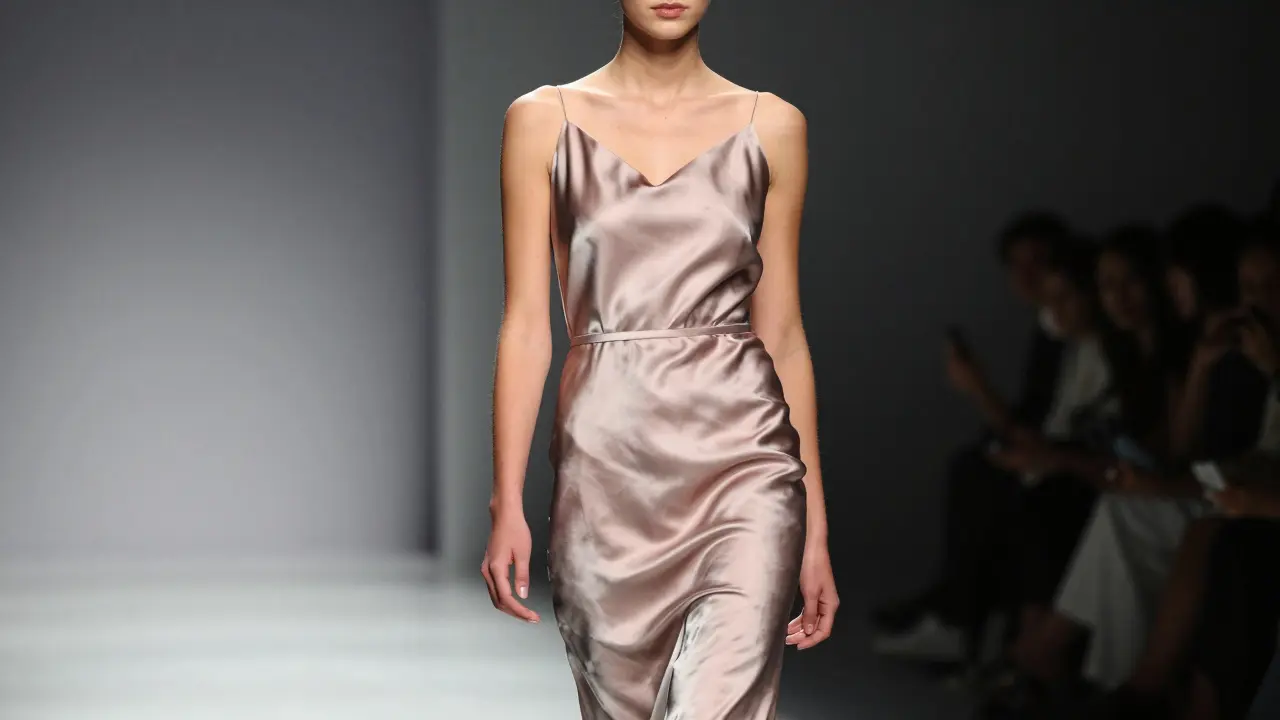
The curvy model scene has shifted dramatically since the early 2000s. Back then, seeing diverse body types on major runways felt like finding a needle in a haystack. Today, brands understand that real customers come in various shapes and sizes. This isn't just about looking good in photos anymore. It is about representing the majority of women who wear size ten clothing or larger.
A curvy model is a professional who represents diverse body types in fashion campaigns, emphasizing confidence and inclusive sizing standards.Defining the Curvy Standard
People often ask what exactly makes a model "curvy." There isn't one strict rulebook, but generally, we talk about women who fall into dress sizes US 10-16. These models have distinct hourglass figures or fuller hips compared to the traditional sample-size look. It is different from the plus-size modeling niche, although there is overlap. While plus-size often starts around size 14 or 18 depending on the agency, curvy usually captures that sweet spot of being above sample size but not necessarily extended sizing.
This definition matters for agencies. When a Casting Director looks for talent, they need specific measurements to pitch to clients. A standard commercial model might be a size 4. A curvy model brings volume to the waist and hips while keeping proportionality. Clients buying maternity wear, luxury handbags, or casual denim want faces and bodies that their actual target market recognizes. They want someone who shows off fabric drape naturally without extreme tailoring tricks.
The Rise of Body Positivity
You cannot talk about curvy models without mentioning the body positivity movement. This cultural wave pushed the fashion world to rethink beauty. Around 2015, social media became a loud platform for voices demanding change. Women stopped asking for permission to love their bodies. Brands took notice because silence cost them sales.
We saw major shifts in magazine covers and advertising campaigns. High-end labels started hiring women with natural rolls and curves to walk their shows. It wasn't just a trend; it was a market correction. Companies realized that ignoring half the population was bad business. The confidence these models project is genuine because it mirrors the experiences of everyday shoppers. When a woman sees herself reflected in an ad, her connection to the product strengthens instantly.
Career Path and Agencies
Getting signed requires strategy. You need a solid portfolio that highlights versatility. Some agencies specialize exclusively in diversity and inclusion. Others are big generalist houses that have added Criteria Standard Expectation Measurements Dress 10-16, Hips > 42 inches Presentation Professional headshots and full-body shots Social Following Growing organic engagement preferred Versatility Able to shoot commercial and editorial
Agencies provide protection. They handle the contract negotiations so you don't get underpaid. They filter out scammers who promise big jobs for free work. A reputable modeling agency knows the rates for day shoots versus international campaigns. For curvy talent, representation is crucial because many clients still hesitate to hire without guidance. Your agent bridges that trust gap between the client's fear of change and your right to be seen.
Building Personal Brand on Social
Today, an Instagram account is worth more than a comp card alone. Social Media Marketing is how brands find faces now. Algorithms love consistency. Post regularly. Show behind-the-scenes work, outfit details, and candid moments. People buy personality as much as clothes.
Engagement beats follower count. If you have 5,000 followers who actually comment and share, you are valuable to influencers seeking partnerships. Brands track interaction rates closely. Authenticity drives traffic. If you share your struggles with styling certain cuts or your fitness routines, you build community. This human connection translates into bookings.
Navigating Industry Challenges
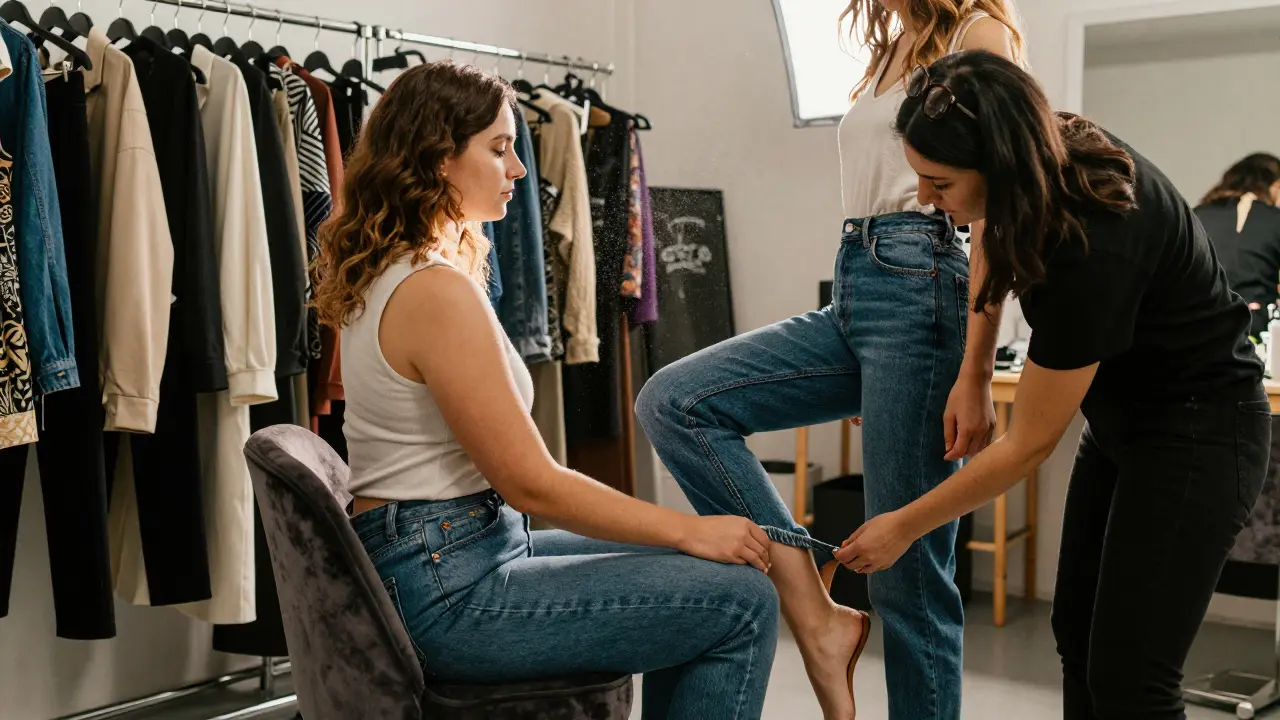
It is not all glamour. Sizing remains a headache. Most sample rooms stock up to a size 8. A curvy model arriving at a shoot expecting to try on clothes often finds nothing fits without alteration. This causes delays and frustration for everyone involved. Photographers lose time waiting for tailors. Models feel rejected by their own profession's logistics.
Bias is another factor. Some clients worry a curve-focused image will alienate "standard" buyers. This is changing slowly, but older designers cling to outdated norms. Resilience is a job requirement. You need to maintain your self-worth when you hear "not what we were looking for" after three rejections in a row. Confidence comes from knowing your value exists outside of any single booking.
Style and Wardrobe Essentials
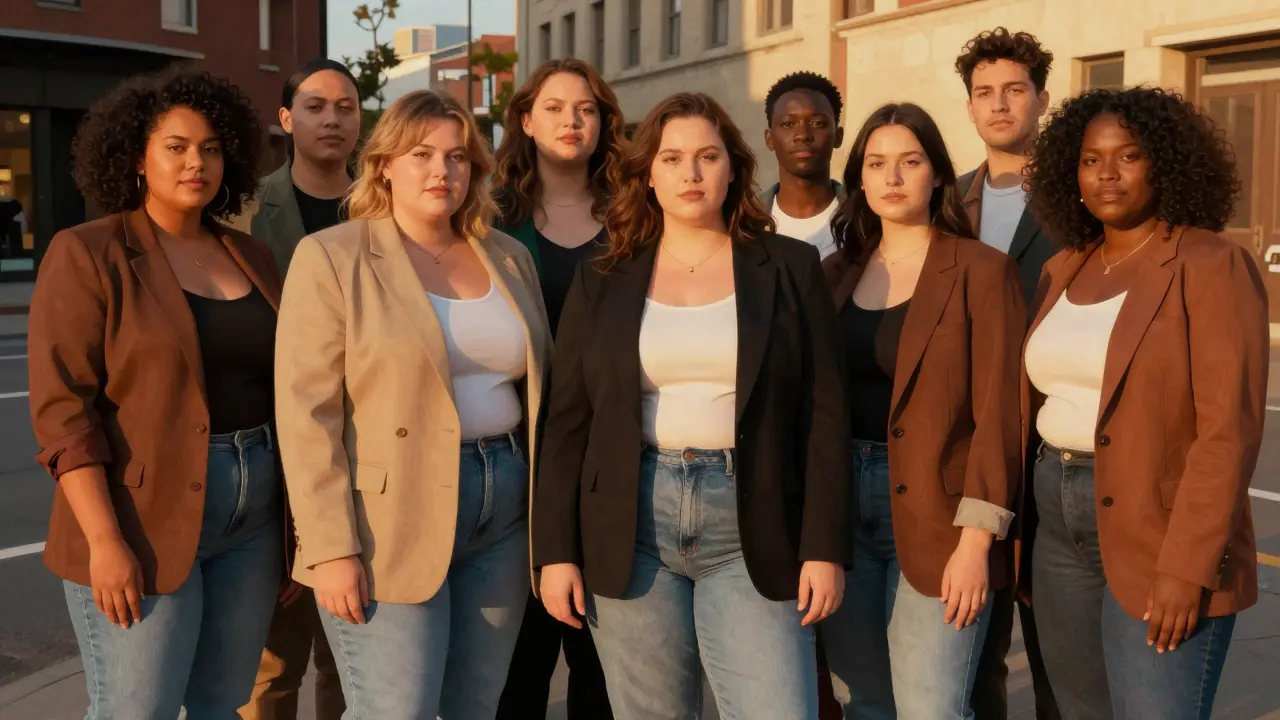
Even off-duty, presentation matters. Knowing how to fit clothes helps when scouting locations or meeting clients. Invest in staples that highlight your shape. High-waisted jeans balance the hip-to-waist ratio. Structured blazers add authority to your look. Fabric quality speaks louder than trends. Cotton blends breathe better during hot lights.
Avoid fast fashion pitfalls. Cheap fabric pulls or stretches unnaturally on camera. Tailoring is your best friend. Spending $50 on hemming pants ensures they look like they were made for you. This level of preparation shows professionals that you take yourself seriously. It signals you respect the client's time and the craft of photography.
Future of Inclusive Fashion
By 2026, inclusivity is becoming the baseline expectation rather than a novelty. Luxury houses are finally committing to permanent size expansions. We see fewer one-off "inclusive" lines and more integrated collections. This stability means longer careers for curvy talent. You do not have to worry about the trend dying out next season. The consumer base demands longevity.
Earnings potential is growing too. Historically, commercial print pays better than runway, but that gap narrows. With digital content packages, creators earn from licensing, not just the upfront fee. Owning your digital rights allows you to monetize content across platforms later. Diversification is the key to financial security in this volatile industry.
Do I need to be a specific size to be a curvy model?
No specific rule exists, but most agencies define curvy as dress sizes 10 through 16. Measurements vary, but proportion and health are key factors.
How do I find an agency for curvy modeling?
Search for reputable firms in major cities like New York or London that list 'Plus' or 'Diversity' divisions. Check their roster for similar body types before applying.
Is curvy modeling different from plus-size modeling?
Yes, curvy usually refers to standard size 10-16 ranges, while plus-size often begins at size 14 or 18 and goes higher. The distinction depends on the specific agency definition.
Can I model online without an agency?
Absolutely. Many models start on influencer platforms or freelance sites. However, an agency offers legal protection and access to high-paying corporate clients.
What skills help beyond just appearance?
Digital literacy, posing techniques, and communication skills are vital. Being able to manage your own social media presence significantly boosts earning power.